
Read
Nov 20, 2025
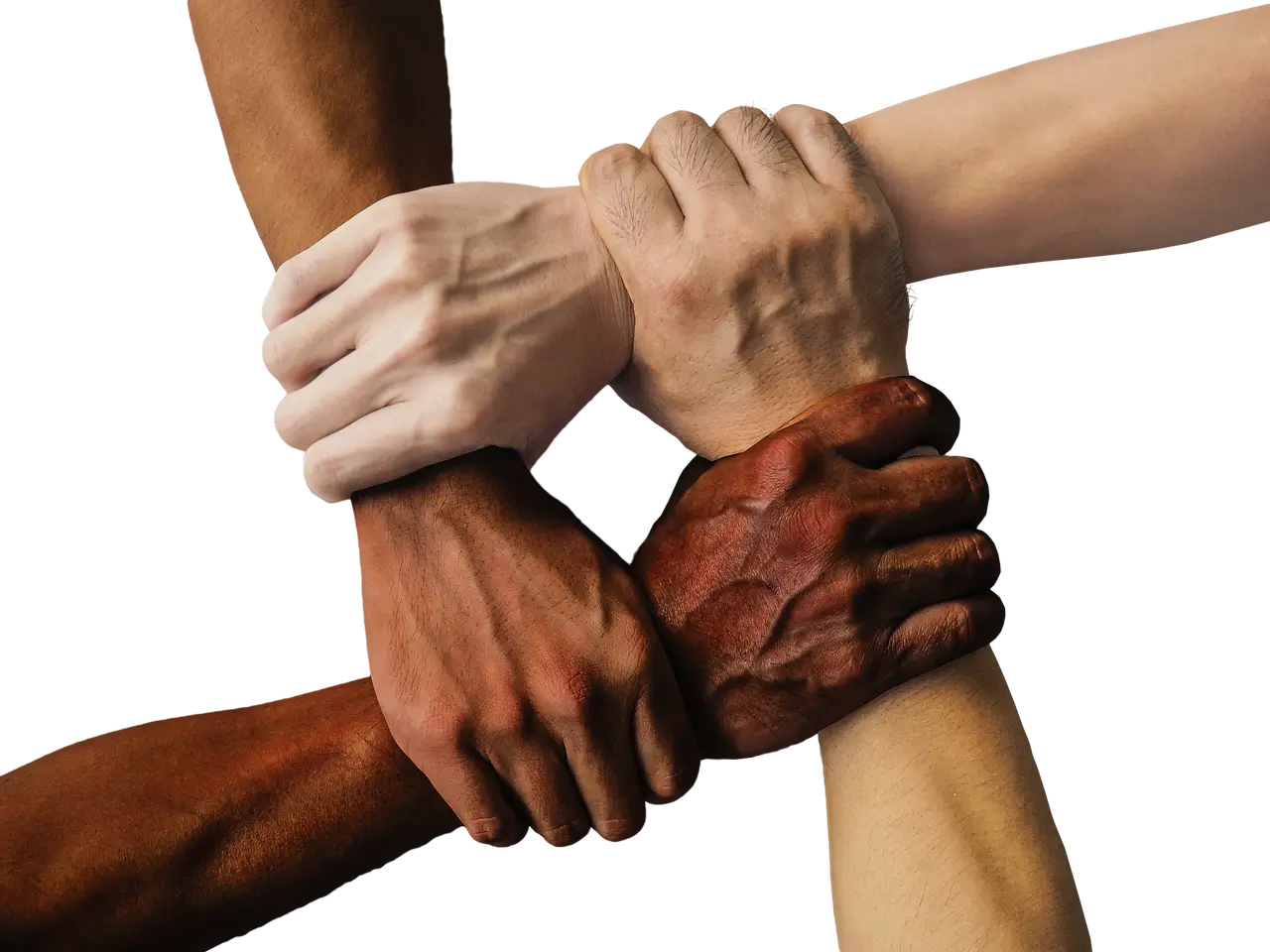
This article explores the psychological depths of personal growth, offering actionable strategies to overcome subconscious blocks.
Communication is the heartbeat of human interaction. Whether we’re sharing ideas, building relationships, or influencing outcomes, the ability to communicate effectively shapes every aspect of our lives. In this article, we explore the art of communication through the lens of experts who have mastered this essential skill. Their insights reveal how to connect authentically, convey messages with clarity, and communicate with lasting impact.
Every great conversation starts with listening. Expert communicators know that active listening is the foundation of understanding and trust. By focusing fully on the speaker—without interruption or distraction—you not only gather valuable insights but also demonstrate empathy and respect.
Words alone tell only part of the story. Body language, facial expressions, and tone of voice often communicate more than spoken words. Experts emphasize that mastering nonverbal cues helps convey authenticity and strengthens the emotional connection between people.
Complexity can cloud meaning. Skilled communicators prioritize clarity, keeping messages simple and free of unnecessary jargon. Clear communication ensures that your ideas resonate, are easily understood, and remain memorable long after the conversation ends.
True communication goes beyond logic—it touches emotions. Experts highlight emotional intelligence as a key element: understanding and managing both your emotions and those of others. This awareness fosters empathy, authenticity, and more meaningful dialogue.
Effective communication is never one-size-fits-all. Adapting your tone, examples, and language to your audience makes your message relevant and engaging. Whether addressing a team, a client, or a friend, tailoring your delivery ensures your message lands where it matters most.
Trust is the foundation of every successful exchange. Experts stress that authenticity, consistent follow-through, and genuine listening build credibility over time. When people trust you, conversations flow more naturally and collaboration thrives.
Facts inform, but stories inspire. Expert communicators use storytelling to engage emotions and make ideas memorable. A well-told story creates connection and helps audiences see themselves in your message—transforming information into impact.
Challenging discussions are inevitable. Communication experts navigate them with grace by practicing active listening, maintaining composure, and seeking common ground. Approaching tough topics with empathy transforms potential conflict into understanding.
Communication is a lifelong skill. Experts encourage seeking and offering feedback to refine your style and approach. Openness to constructive feedback fuels growth and builds stronger relationships over time.
In a digital-first world, adaptability is key. Whether through email, video calls, or face-to-face meetings, expert communicators adjust their tone and delivery to fit the medium. The message stays consistent, but the format evolves.
Mastering communication is an ongoing journey of awareness, practice, and growth. By applying the wisdom of experts—listening actively, expressing clearly, and connecting emotionally—you can elevate your interactions in both personal and professional settings.
When you communicate with authenticity and empathy, you do more than share information—you create connection, inspire trust, and leave a lasting impression.

Written by
Life & Leadership Coach helping individuals unlock their full potential.